Workshop / Seminar

Series of Scientific Writing Workshops for Ayurveda Scholars

Organized by the Association of Ayurvedic Physicians of India (AAPI)

  1. First Scientific Writing Workshop for Ayurveda Scholars

Date: December 22, 2017
Venue: Kalam Centre, King George’s Medical University (KGMU), Lucknow

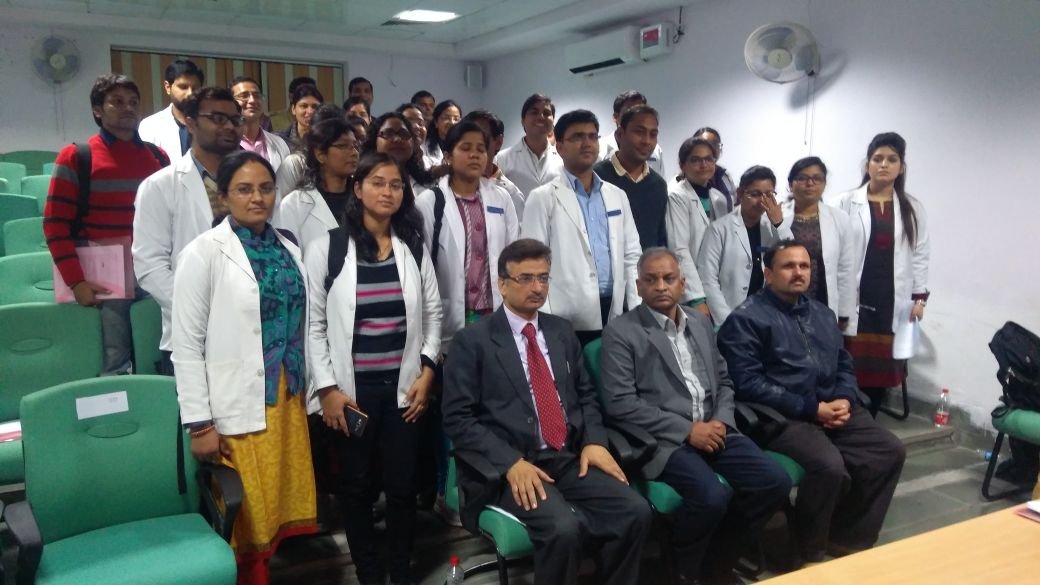
The inaugural Scientific Writing Workshop for Ayurveda Scholars was organized by the Association of Ayurvedic Physicians of India (AAPI) at the Kalam Centre, King George’s Medical University, Lucknow, on December 22, 2017.

The objective of the workshop was to develop writing and publication skills among Ayurveda research scholars and to promote scientific communication within the discipline.

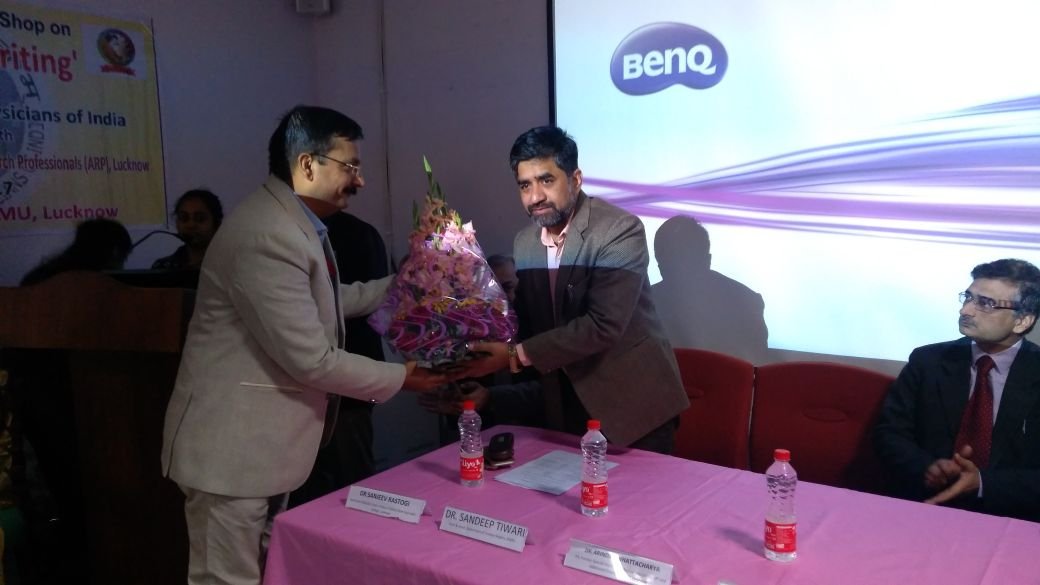
The event was inaugurated by Dr. Arindam Bhattacharya, Special Secretary to the Government of Uttar Pradesh, who emphasized the need to strengthen scientific writing culture in Ayurveda. Over 50 research scholars from across the state participated in this first-of-its-kind initiative.

Key speakers included Prof. J. S. Tripathi and Prof. Kishore Patwardhan from Banaras Hindu University (BHU), and Prof. Sameer Mishra from the Department of Trauma Surgery, KGMU.

Organizer Dr. Sanjeev Rastogi, Senior Consultant, State Ayurvedic College, Lucknow, guided participants on manuscript preparation and publication requirements for scientific journals.

The event concluded with a vote of thanks by Prof. Sandeep Tiwari, who appreciated the participants and resource persons for their contributions.

  1. Second Scientific Writing Workshop for Ayurvedic Physicians
Date: July 28, 2018 Venue: Kalam Centre, King George’s Medical University (KGMU), Lucknow Collaborators: KGMU and State Ayurvedic College, Lucknow The second workshop in the series was held on July 28, 2018, organized jointly by AAPI, KGMU, and State Ayurvedic College, Lucknow. Hon’ble Vice Chancellor of KGMU, Prof. M. L. B. Bhatt, inaugurated the event and emphasized that the ancient Ayurvedic texts such as Charaka Samhita and Sushruta Samhita are prime examples of scientific writing, and modern scholars must revive this tradition. In the scientific session, Dr. Arindam Bhattacharya, Special Secretary, Government of Uttar Pradesh, discussed “What, Why, and How of Scientific Writing” and its relevance in Ayurveda. Prof. Sanjeev Rastogi provided practical guidance on starting with short communications and letters to the editor. Speakers including Prof. J. S. Tripathi, Prof. Kishore Patwardhan (BHU), and Prof. Galib (AIIA, New Delhi) shared their perspectives on improving research writing standards. About 50 participants from across India attended. The valedictory session concluded with Dr. Rastogi expressing hope that the workshop would inspire participants to publish high-quality scientific work and enhance Ayurveda’s academic visibility.
  1. Third Scientific Writing Workshop for Ayurveda Research Scholars

Date: July 6, 2019

Venue: Kalam Centre, King George’s Medical University (KGMU), Lucknow

The third edition of the Scientific Writing Workshop was held on July 6, 2019, organized by AAPI at KGMU, with the continued support of State Ayurvedic College, Lucknow.

The workshop was inaugurated by Prof. Raja Roy, Director, Centre for Biomedical Research, SGPGI, Lucknow.

Experts from premier scientific and Ayurvedic institutions delivered lectures covering different aspects of scientific writing and research communication.

Organizer Dr. Sanjeev Rastogi informed that over 40 participants from across India attended the event, demonstrating growing national interest in professional writing and publication in Ayurveda.

The workshop offered an interactive platform where participants engaged in practical exercises aimed at improving the structure, clarity, and impact of their manuscripts.

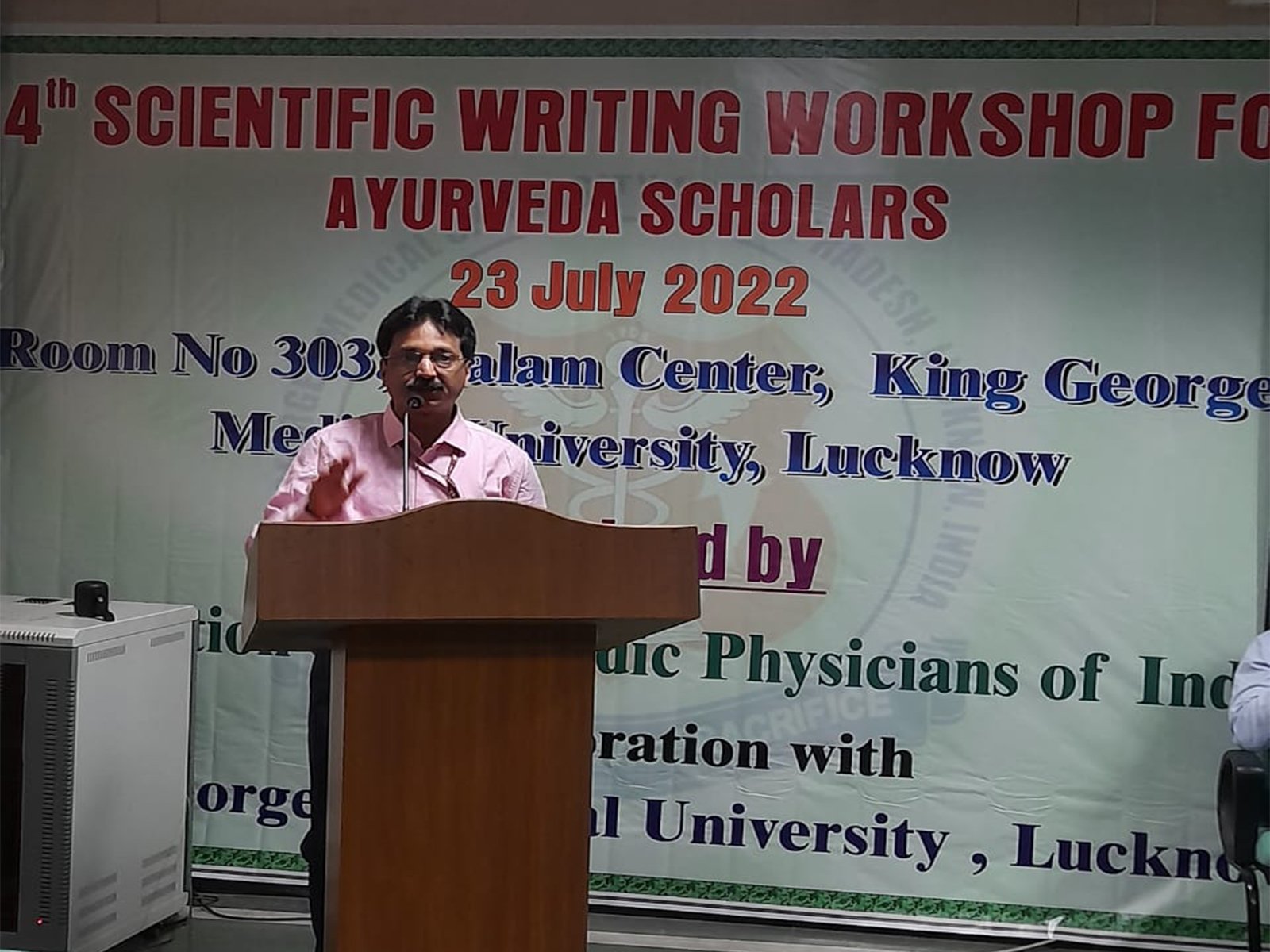
  1. Fourth Scientific Writing Workshop for Ayurveda Scholars

Date: 23 July 2022

Venue: Kalam Centre, KGMU, Lucknow

The fourth workshop in the series marked a significant milestone for AAPI, symbolizing both continuity and expansion in the initiative’s reach.

The event was graced by Prof. Rabinarayan Acharya, Director General, Central Council for Research in Ayurvedic Sciences (CCRAS), New Delhi; Prof. P. C. Saxena, Director (Syllabus and Evaluation), Ayurveda Services, Government of Uttar Pradesh, and Principal, State Ayurvedic College, Lucknow; Prof. J. S. Tripathi, General Secretary, AAPI; along with distinguished resource persons Prof. Kishor Patwardhan (BHU) and Dr. Galib (AIIA, New Delhi).

In his welcome remarks, Dr. Sanjeev Rastogi reflected on the success of the previous workshops and the growing awareness among Ayurveda scholars about the importance of scientific writing and publication ethics.

He highlighted two key achievements of this edition:

  1. National representation, with participants from distant regions such as Jamnagar.
  2. Increased participation of senior faculty members, indicating a cultural shift toward academic and research excellence.

The workshop covered diverse topics — from publication ethics and literature search to manuscript submission, peer review communication, and handling rejection — supported by hands-on exercises on sample manuscripts.

The event successfully continued AAPI’s mission of promoting research integrity and scientific communication within the Ayurvedic academic community.
Summary and Impact

Over the span of five years (2017–2022), the Association of Ayurvedic Physicians of India (AAPI) successfully organized a series of four Scientific Writing Workshops, each designed to strengthen the scientific writing skills of Ayurveda researchers and practitioners.

These workshops have:

  • Trained more than 180 participants from across India.
  • Engaged over 20 eminent speakers from leading institutions such as BHU, AIIA, SGPGI, and KGMU.
  • Enhanced awareness about ethical and professional scientific publication practices.
  • Contributed to the growing visibility of Ayurveda research in national and international journals.

AAPI’s continuous efforts through these workshops have helped cultivate a culture of scientific writing and evidence-based documentation among Ayurveda scholars, setting a strong foundation for the future of Ayurvedic research communication in India.